
Have you ever found yourself wondering whether you’re headed to a carnival or a fair? While both events promise excitement and entertainment, they each offer unique experiences and attractions. Understanding the key differences can enhance your enjoyment and help you choose the right outing. Explore what sets these vibrant gatherings apart and discover why each holds a cherished place in community traditions.
Understanding the Essence: What Defines a Carnival?
Carnivals are vibrant celebrations filled with joy, color, and a sense of community, often rooted in cultural traditions and festive occasions. Unlike fairs, which typically focus on agricultural, craft, and entertainment exhibitions, carnivals embody a spirit of revelry and amusement, marked by lively parades, music, and a variety of thrilling rides. The essence of a carnival lies in its ability to transport attendees into a realm of excitement and fun, offering experiences that cater to people of all ages.
Key Components of a Carnival
At the heart of a carnival is a unique blend of entertainment and cultural expression. Key components often include:
- Parades: Featuring elaborate floats, costumed performers, and thematic displays, parades are a staple of carnival celebrations, drawing enthusiastic crowds along the streets.
- Food Stalls: Carnivals tantalize taste buds with a wide array of culinary delights, from traditional festival foods to innovative treats. Indulging in cotton candy, funnel cakes, and other seasonal specialties is a must.
- Live Entertainment: The atmosphere is often elevated by live music, dance performances, and sometimes circus acts, creating a dynamic backdrop to the festivities.
- Rides and Games: Thrill-seekers can enjoy various rides, ranging from thrilling roller coasters to funhouse attractions, while game booths offer chances to win prizes, making it enticing for families and friends alike.
The combination of these elements creates a unique carnival environment that distinguishes it from a fair. While fairs can also feature rides and games, they usually focus more on exhibitions, competitions, and showcasing local agriculture or crafts, offering a different kind of engaging experience.
Cultural Significance and Community Bonding
Carnivals often reflect the local culture and heritage, serving as a platform for community bonding. They play a vital role in promoting local artists, musicians, and culinary talents, providing them with an opportunity to showcase their skills. Events such as the Lafayette Carnival celebrate not only the joyful ambiance but also the integration of cultural traditions, music, and festivities that bring communities together. These gatherings foster a sense of belonging, where families and visitors collect cherished memories while engaging in shared experiences.
Understanding the essence of a carnival versus a fair highlights the differences between these two celebrated events. Each serves its purpose in the community, yet they create distinct experiences that cater to varying interests. The next time you attend a carnival, immerse yourself in the displays of creativity, the joyous atmosphere, and the tales spun by the vibrant festivities around you.
Unpacking the Fair Experience: Traditions and Attractions
The essence of any fair lies in its rich tapestry of traditions and diverse attractions, blending community engagement with spirited celebration. Fairs often emerge from deep cultural roots, showcasing the history and agricultural heritage of a region. Unlike carnivals, which typically focus on thrilling rides and games, fairs provide a more comprehensive experience, embracing local customs and agricultural showcases alongside entertainment.
Traditions that Shape the Fair
At the heart of every fair is a set of beloved traditions that have stood the test of time. Many fairs highlight local agriculture, featuring livestock competitions, crop displays, and home crafts. These elements serve not only as entertainment but also as educational experiences, connecting communities to their agricultural past. Some specific traditions include:
- Livestock Shows: Farmers and ranchers present their best animals, often vying for coveted blue ribbons.
- Pie-Eating Contests: A bustling event where participants indulge in local flavors while spectators cheer them on.
- Parades: Featuring floats decorated by local organizations, these events celebrate community spirit and culture.
- Craft Markets: Local artisans showcase their handmade goods, from jewelry to jams, boosting local economies.
These time-honored traditions create a sense of nostalgia and continuity, drawing families back year after year.
Attractions that Draw Crowds
Beyond tradition, fairs offer an array of engaging attractions designed to entertain guests of all ages. From thrilling rides to interactive exhibits, here is a glimpse into some popular fair attractions:
| Attraction Type | Description | Typical Audience |
|---|---|---|
| Amusement Rides | Classic rides like Ferris wheels and thrilling roller coasters provide excitement. | All ages, especially thrill-seekers. |
| Games and Competitions | Fun games where attendees can win prizes, ranging from gear to plushies. | Families and friends. |
| Food Stalls | A variety of foods from cotton candy to local delicacies – perfect for sampling. | Food enthusiasts. |
| Live Entertainment | Concerts, theater performances, and dance workshops attract diverse audiences. | Music and arts lovers. |
Engaging in these attractions allows attendees to explore new interests and socialize, revealing the fair’s true purpose: to foster community togetherness while providing unforgettable experiences.
As communities evolve, fairs continue to adapt, blending modern influences with traditional elements. Understanding the distinctions between fairs and carnivals provides deeper appreciation for fairs as multifaceted events, celebrating heritage while remaining dynamic and relevant to current audiences.
A Closer Look at Activities: Rides, Games, and Entertainment
When it comes to experiencing the thrill of rides, the excitement of games, and the allure of entertainment, both carnivals and fairs offer unique attractions that draw visitors in. While they share similarities, the atmosphere and activities at these events can greatly differ, providing distinct experiences for participants. Whether you’re seeking adrenaline-pumping rides or fun games to win prizes, understanding what to expect can help you maximize your enjoyment.
Rides
The rides at a carnival are typically more compact and designed for quick thrills, often catering to a wide range of ages. You might find iconic rides such as ferris wheels, merry-go-rounds, and roller coasters. For instance, at the Cal Expo & State Fair, guests can enjoy special promotions like only $2 per ride on specific days, making it an affordable outing for families [[1]]. These rides are often temporary installations and can vary greatly from one carnival to the next, depending on the operating company and location.
Games
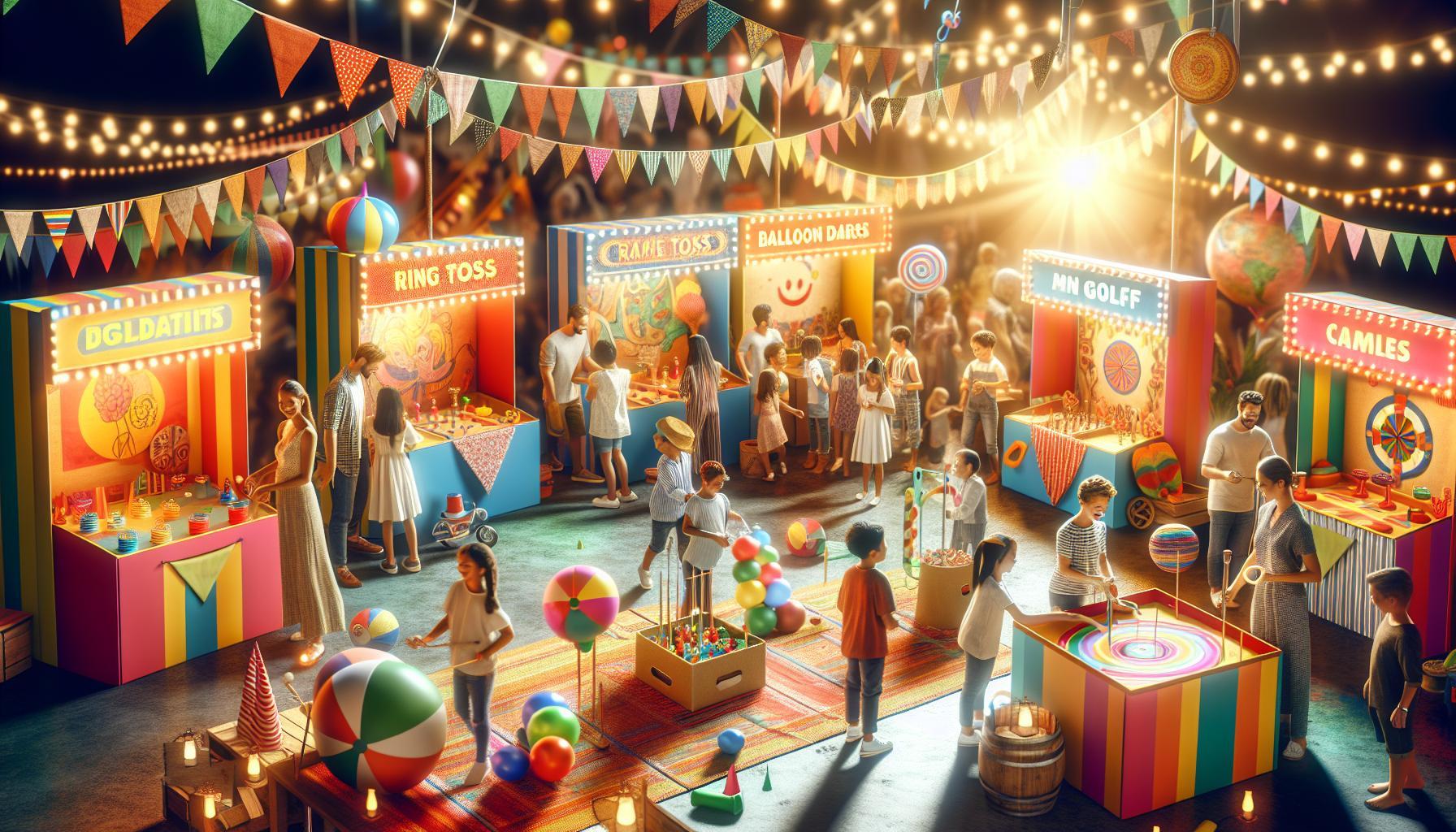
Carnival games are not to be overlooked as essential components that create a festive atmosphere. These games range from classic ring toss and dart throwing to more elaborate setups that require skill and luck. Often, players have the chance to win fun prizes, enhancing the experience for participants of all ages. Engaging in these games contributes to the lively ambiance characteristic of carnivals while providing an opportunity to take home a tangible memory.
Entertainment
In terms of entertainment, carnivals often feature live performances, parades, and cultural displays. For example, events like the Los Angeles Carnival emphasize creativity and diversity through performances that showcase various cultural expressions [[3]]. The focus on live entertainment adds an immersive layer to the carnival experience, making it more than just a collection of rides and games. Participating in these activities not only entertains but also offers a glimpse into the vibrant cultural tapestry that makes up such events.
With this knowledge, whether visiting a carnival or a fair, be sure to check the daily schedules and note any special promotions or entertainment offerings that can enhance your visit. Every event promises a unique experience that captures the essence of community and celebration.
The Gastronomic Delights: Food and Drink at Carnivals vs. Fairs
From the sweet aroma of cotton candy to the savory scent of fried foods, the culinary experiences at carnivals and fairs are nothing short of a joyous celebration for the senses. These events offer a delightful array of food and drink options, each with distinctive characteristics that reflect their respective atmospheres and cultural significance. Understanding the differences between the gastronomic offerings at carnivals and fairs can amplify your experience and guide your choices throughout your visit.
Carnival Cuisine: A Flavorful Escapade
Carnivals often bring a sense of excitement and novelty, which is reflected in their eclectic food offerings. The focus here is on bold flavors, fun presentation, and sometimes outrageous combinations. You might find dishes like:
- Fried Oreos – A classic example of carnival chaos, these sweet treats are battered and deep-fried to create a crispy outer layer, with a gooey chocolate center.
- Whimsical Creations – Think along the lines of unicorn cones or giant turkey legs that seem to defy the laws of proportion.
- Global Flare – Many carnivals embrace cultural diversity, offering fusion dishes that combine elements from different cuisines, such as Korean BBQ tacos or sushi burgers.
In addition to these indulgent snacks, an assortment of sugary drinks, such as flavored lemonades or colorful slushies, complements the vibrant atmosphere. The focus on indulgence and unique flavor pairings provides a feast that tantalizes the taste buds, aligning perfectly with the carnival’s festive spirit.
Fair Fare: Tradition Meets Local Charm
In contrast, fairs tend to highlight local cuisine and traditional recipes, celebrating the agricultural roots that often underpin these events. The food found at fairs is deeply connected to community heritage and typically includes:
- Farm-to-Table Goodness – Look for locally-sourced corn on the cob, apple cider donuts, or handmade jams that emphasize regional products.
- Comfort Foods – Familiar favorites, like funnel cakes and pulled pork sandwiches, reign supreme at fairs, offering a taste of home.
- Competition Treats – Fairs often host cooking contests, showcasing local talent through blue-ribbon pies and award-winning BBQ, allowing visitors to savor the best of the area.
The drink offerings at fairs usually complement the more traditional menu, incorporating local agricultural products such as freshly-squeezed apple cider or craft beers from nearby breweries. This connection to local culture not only enriches the overall fair experience but also invites attendees to explore the flavors of the region.
| Feature | Carnivals | Fairs |
|---|---|---|
| Food Style | Eclectic and innovative | Traditional and local |
| Common Dishes | Fried Oreos, crazy milkshakes | Corn on the cob, pies |
| Beverage Selection | Colorful slushies, fun cocktails | Fresh cider, craft beers |
Whether you’re craving the exhilarating flavors of carnival treats or longing for the comforting familiarity of fair favorites, recognizing the differences in culinary offerings can enhance your experience at these vibrant events. Understanding what’s on the menu allows you to indulge in the unique atmosphere each celebration brings, making every bite a remarkable taste of joy.
Cultural Significance: How Carnivals Reflect Community Values
Carnivals are vibrant celebrations that transcend mere entertainment; they serve as a vital reflection of community values, identity, and history. These festive events embody the traditions, aspirations, and collective spirit of the communities they represent. In many cultures, carnivals mark significant societal milestones, seasonal changes, or historical events, infusing local narratives into the public consciousness. From grand parades filled with colorful floats to the lively sound of music and laughter, each element of a carnival contributes to a shared experience that reinforces community bonds.
Expressions of Collective Identity
At their core, carnivals are expressions of the identity and values of the communities that host them. They often feature traditional costumes, performances, and rituals that reflect the unique cultural heritage of the area. For instance, in places like Rio de Janeiro, the Carnival combines samba, music, and dance, illustrating Brazil’s rich cultural tapestry. Similarly, in New Orleans, Mardi Gras festivities showcase the city’s French, African, and Spanish influences, creating a microcosm of its diverse heritage.
- Community Participation: Local residents are not just spectators; they are active participants, fostering a sense of belonging and pride.
- Promotion of Local Arts: Carnivals provide a platform for local artists, musicians, and creators, highlighting community talent and creativity.
- Social Commentary: Many carnivals incorporate satirical elements, allowing communities to express their views on political or social issues through performances and parades.
Bridging Generations
Carnivals also play a crucial role in bridging generations. They create opportunities for storytelling and passing down traditions from one generation to the next. Families and friends gather to celebrate, often sharing experiences that fulfill the dual purpose of entertainment and education. For example, older generations might teach younger participants traditional dances or crafts during the festivities, ensuring cultural continuity. This aspect not only emphasizes the importance of maintaining traditions but also strengthens intergenerational relationships within the community.
Economic and Social Impact
Beyond their cultural significance, carnivals often foster economic growth and community development. By attracting tourists and visitors, these events contribute to local economies, providing income for vendors, artists, and small businesses. Organizing a successful carnival also encourages community cooperation and collaboration, as various groups come together to plan and execute the event. Towns and cities that embrace the spirit of carnivals often find that these celebrations enhance community pride and identity, ultimately leading to a stronger social fabric.
In summary, the significance of carnivals in reflecting community values cannot be overstated. As demonstrated in the exploration of differences between carnivals and fairs, their emphasis on cultural expression, participation, and historical relevance highlights the core of a community’s identity while fostering connections that transcend the event itself. By understanding these dynamics, we can appreciate the role carnivals play not only in celebration but also in the ongoing narrative of culture and community.
Seasonal Timing: When Do Fairs and Carnivals Take Place?
The charm of fairs and carnivals lies not just in their thrilling rides and vibrant games, but also in their seasonal cadence, which draws millions of visitors each year. Understanding when these joyful events occur can enhance your experience, help you plan visits, and make the most of the festivities.
Different regions celebrate fairs and carnivals at various times throughout the year, often aligned with local traditions, weather, and agricultural cycles. Generally, fairs tend to take place in late summer to early fall, coinciding with harvest season. This timing allows communities to showcase local produce, livestock, and craftsmanship. On the other hand, carnivals, particularly those influenced by cultural events such as Mardi Gras or the Venetian Carnival, often occur in winter or early spring. These festivals feature elaborate floats, parades, and celebratory events that usher in the warmer months.
Typical Seasons for Fairs and Carnivals
- Fairs: Usually held during the late summer through early fall (July to October).
- Carnivals: Typically celebrated during winter to early spring (February to April).
To provide a clearer picture of when to expect these events, here’s a comparative look:
| Event Type | Common Months | Key Features |
|---|---|---|
| Fairs | July – October | Livestock shows, local agriculture, crafts, rides, and food |
| Carnivals | February – April | Parades, elaborate costumes, rides, cultural performances |
Whether you are exploring the deep-rooted traditions of a local county fair or immersing yourself in the kaleidoscope of colors at a carnival, being aware of the seasonal timing can make your plans more effective. Always check local calendars and community announcements to stay informed about the specific dates and events taking place in your area.
Choosing Your Adventure: Which Experience is Right for You?
Choosing between a carnival and a fair can feel overwhelming given the variety of experiences each offers. Both events promise joy and entertainment but differ significantly in atmosphere, activities, and audience engagement. If you’re keen on discovering which adventure suits you best, understanding these nuances is essential.
Understanding the Atmosphere
Carnivals often present a more intimate setting, typically featuring a smaller selection of rides and games. They may be set up in local parks or community spaces, lending them a homely feel perfect for families and children. Conversely, fairs are larger with a broader range of activities, including livestock exhibits, competitions, and vendor booths that can showcase local crafts and agricultural produce. If you’re seeking an exhilarating experience filled with thrilling rides and games, a carnival might be your best choice. However, for a day filled with diverse activities and a chance to tap into local culture, fairs like the Placer County Fair, with its theme “Soundtrack to Summer,” might be more appealing [[2]].
Activities and Entertainment
When considering the types of entertainment available, think about what excites you the most. Carnivals typically focus on rides and midway games, with mouth-watering food stands serving classic fair fare. If you enjoy the thrill of rides and the camaraderie of friendly competitive games, a carnival will deliver that excitement. On the other hand, fairs provide an extensive schedule of events, including live performances and educational displays about local agriculture and crafts. The emphasis on live music at fairs like those in California enhances the ambiance, giving visitors a chance to enjoy vibrant performances in addition to traditional activities kind [[3]].
Catering to All Ages
Both carnivals and fairs aim to attract people of all ages; however, their targeted experiences can differ. Families with younger children might find carnivals more suitable due to familiar rides and games designed specifically for little ones. In contrast, teens and adults may prefer fairs that offer a variety of attractions, from live music to competitions that engage all generations. A well-rounded fair experience can leave every individual, from children to grandparents, finding something enjoyable to participate in.
By evaluating your preferences for atmosphere, activities, and audience engagement, you can easily choose the right adventure for your next outing. Whether it’s the thrill of rides at a carnival or the diverse experiences offered at a fair, there’s an enjoyable choice waiting just for you.
Tips for First-Timers: Navigating Your Carnival or Fair Journey
Visiting a carnival or a fair for the first time can feel like stepping into a vibrant world filled with colors, sounds, and delicious scents. While both events may seem similar at a glance, understanding their unique characteristics can greatly enhance your experience. Whether it’s the thrilling rides of a carnival or the delightful food vendors at a fair, knowing what to expect can help you navigate your journey more smoothly.
Preparation is Key
Before you head out, do some research to understand the differences between a carnival and a fair. Carnivals often feature rides and games concentrated in a smaller area, while fairs typically include larger exhibitions, livestock shows, and a variety of food stands. Check online for event schedules, ticket prices, and age-appropriate activities. It’s also useful to review maps of the venue if available; knowing the layout can save you time and energy while exploring.
Make Smart Decisions about Timing
To make the most of your visit, consider the time of day you go. Mornings are usually less crowded in fairs and carnivals, which makes it easier to experience attractions without long waits. If you’re looking to enjoy live entertainment or competitive events, check the schedule to determine peak times when these shows occur.
Budget Wisely
Both carnivals and fairs can tempt you with a variety of activities and treats, so it’s wise to set a budget beforehand to ensure you can enjoy your favorite attractions without overspending. Here are some budgeting tips:
- Allocate Funds: Decide how much you want to spend on rides, games, food, and souvenirs.
- Look for Packages: Some events offer family or group discounts, so inquire about these options.
- Cash is King: While many vendors accept cards, having cash on hand can help you manage your spending more effectively.
Choosing Your Activities
Don’t be afraid to try new things! Be adventurous and sample local delicacies or take part in challenges at booths. When planning your day, consider these categories to focus on:
| Activity Type | Carnival | Fair |
|---|---|---|
| Rides | Exciting rides and fun games | Limited rides, more focus on agricultural exhibits |
| Food Options | Fairy floss, hot dogs, and fried treats | Local specialties, homemade goodies, and contests |
| Entertainment | Live music and various shows | Competitions and exhibitions |
Planning ahead can turn your first experience at a carnival or fair from overwhelming to enjoyable. Embrace the excitement, stay aware of your surroundings, and above all, have fun exploring whatever unique attractions each kind of event offers!
FAQ
What’s the difference between a carnival and a fair?
A carnival usually features rides, games, and entertainment in a temporary setting, while a fair is a larger event that includes agricultural exhibits, competitions, and local crafts. Both celebrate community, but their focus and duration differ.
Fairs often last longer and include aspects like livestock shows, food competitions, and arts and crafts exhibits. In contrast, carnivals are typically less formal and can be mobile, setting up in various locations throughout the season. For more insights, you can check out additional details on the differences in focus and setup.
Can I find food at both carnivals and fairs?
Absolutely! Both carnivals and fairs are known for their delicious food. You can enjoy classic offerings like corn dogs, funnel cakes, and cotton candy at both events.
Fairs might offer more diverse local cuisine and food vendors showcasing unique regional dishes, often linked to agricultural themes. On the other hand, carnivals are famous for their fun and indulgent treats, making them a fantastic food adventure!
What types of entertainment can I expect at each event?
At carnivals, you’ll typically find rides, games, and funhouse attractions. Fairs usually include live entertainment like concerts, talent shows, and carnival games.
Carnivals create a lively atmosphere focused on thrill rides, while fairs often feature local talent with performances that highlight community spirit and traditions. Each offers a unique flavor of entertainment!
How long do carnivals and fairs typically last?
Carnivals can operate for a few days and frequently move from location to location. In contrast, fairs are generally annual events that last one to several weeks.
Fairs often coincide with agricultural harvests or holidays, creating a festive community atmosphere. Carnivals, however, tend to pop up throughout the season, allowing for a more dynamic experience as they travel from place to place.
Why do some people prefer fairs over carnivals?
Some prefer fairs for their strong sense of community and local tradition. Fairs often showcase agricultural exhibits, art displays, and competitions that reflect the local culture.
While carnivals offer thrilling rides and amusement, fairs allow for deeper engagement with local talents and traditions, fostering an appreciation for regional customs.
Are there specific cultural differences between carnivals and fairs?
Yes, carnivals often focus on amusement and entertainment, while fairs emphasize culture, agriculture, and community spirit. Each event highlights unique local traditions.
For example, in many regions, fairs celebrate agricultural heritage with contests and exhibitions, while carnivals might emphasize entertainment-driven activities. This showcases the diversity in how communities come together during these festive occasions.
Can I attend both events in one season?
Definitely! It’s common to experience both carnivals and fairs in one season since they often occur at different times.
Many regions host yearly fairs alongside traveling carnivals, making it easy to enjoy a diverse array of activities and experiences. You can participate in local traditions at fairs and revel in the excitement of rides and games at carnivals!
In Conclusion
In conclusion, understanding the differences between a carnival and a fair enriches your experience, whether you’re planning a thrilling outing or seeking to immerse yourself in local culture. Carnivals often embrace a festive spirit that highlights vibrant entertainment, artistic expression, and global influences, while fairs tend to focus on agriculture, community, and family-friendly activities. Each offers a unique blend of rides, games, and culinary delights that cater to a spectrum of tastes and preferences. As you embark on your journey to explore these lively events, remember to savor each moment-dive into the diverse offerings, engage with local traditions, and create lasting memories. Embrace the excitement of both carnivals and fairs, and don’t hesitate to discover what makes your adventure truly special!